
Safety & Compliance
Safety is not a slogan at Tahi Transit.
It is the system behind every service, every vehicle, every driver, every depot decision and every passenger journey.
Tahi Transit has been built for council and government transport contracts where safety, compliance, transparency and accountability are essential. Our approach is practical and disciplined: trained people, maintained vehicles, clear procedures, active supervision, honest reporting and continuous improvement.
Passengers should feel safe.
Drivers should feel supported.
Councils should have confidence.
Communities should be able to trust the service.
Safety Built Into the Operation
A safe public transport service is created before the bus reaches the road.
It begins with recruitment, training, rostering, vehicle checks, depot systems, maintenance planning, driver communication, incident procedures and a culture where issues are raised early and dealt with properly.
Tahi Transit is designed around that operating reality.
We understand that public transport safety is not just about avoiding accidents. It is about managing risk every day: passenger safety, driver wellbeing, vehicle condition, route knowledge, fatigue, school services, accessibility, customer behaviour, weather, road conditions and service disruption.
Our safety model is built to support reliable public transport delivery across urban routes, school services, regional connector services and fully electric bus operations.
A Safety Culture That Starts With Leadership
Safety depends on culture.
Tahi Transit’s leadership approach is based on accountability, openness and practical problem solving. Drivers and staff must feel able to report hazards, raise concerns and ask for support without fear that issues will be ignored or hidden.
A strong safety culture means:
Hazards are identified early
Incidents are reported honestly
Drivers are supported properly
Vehicles are maintained before problems become serious
Procedures are clear and understood
Training is treated as ongoing, not once-off
Council partners are kept informed
Lessons are turned into improvements
We do not believe in paper safety. We believe in operational safety: the kind passengers can feel and councils can verify.
Driver Recruitment, Training and Standards
Drivers are the most visible part of the public transport system.
They are responsible for vehicle safety, passenger care, road behaviour, route delivery, communication and the public reputation of the service.
Tahi Transit’s driver standards are built around safety, professionalism and respect.
Our driver model includes:
Careful recruitment and suitability checks
Licence and endorsement verification
Route familiarisation
Vehicle type familiarisation
Electric bus operating training
Passenger care and customer service expectations
Accessibility and mobility awareness
School service requirements
Fatigue and fitness-for-duty awareness
Incident and emergency procedures
Safe driving standards
Professional conduct expectations
A good driver is not just someone who can operate a bus. A good driver is calm, alert, reliable, respectful and trusted by passengers.
Fatigue Management and Driver Wellbeing
Fatigue is one of the most important risks in transport.
Tahi Transit treats fatigue management as a core part of safety and compliance. Public transport operators must understand the pressure created by split shifts, early starts, school peaks, urban congestion, disruption recovery and unexpected overtime.
Our approach includes:
Rostering discipline
Monitoring of working hours
Appropriate rest periods
Clear escalation if a driver is unfit for duty
Support for drivers to raise fatigue concerns
Practical supervision of high-pressure periods
Careful planning around school and peak services
Review of fatigue-related risks after incidents or near misses
Driver wellbeing matters because safe drivers deliver safe services.
A tired, unsupported or rushed driver is a risk to passengers, the public and the contract. Tahi Transit’s goal is to create a workplace where drivers are supported to do the job properly.
Vehicle Safety and Daily Readiness
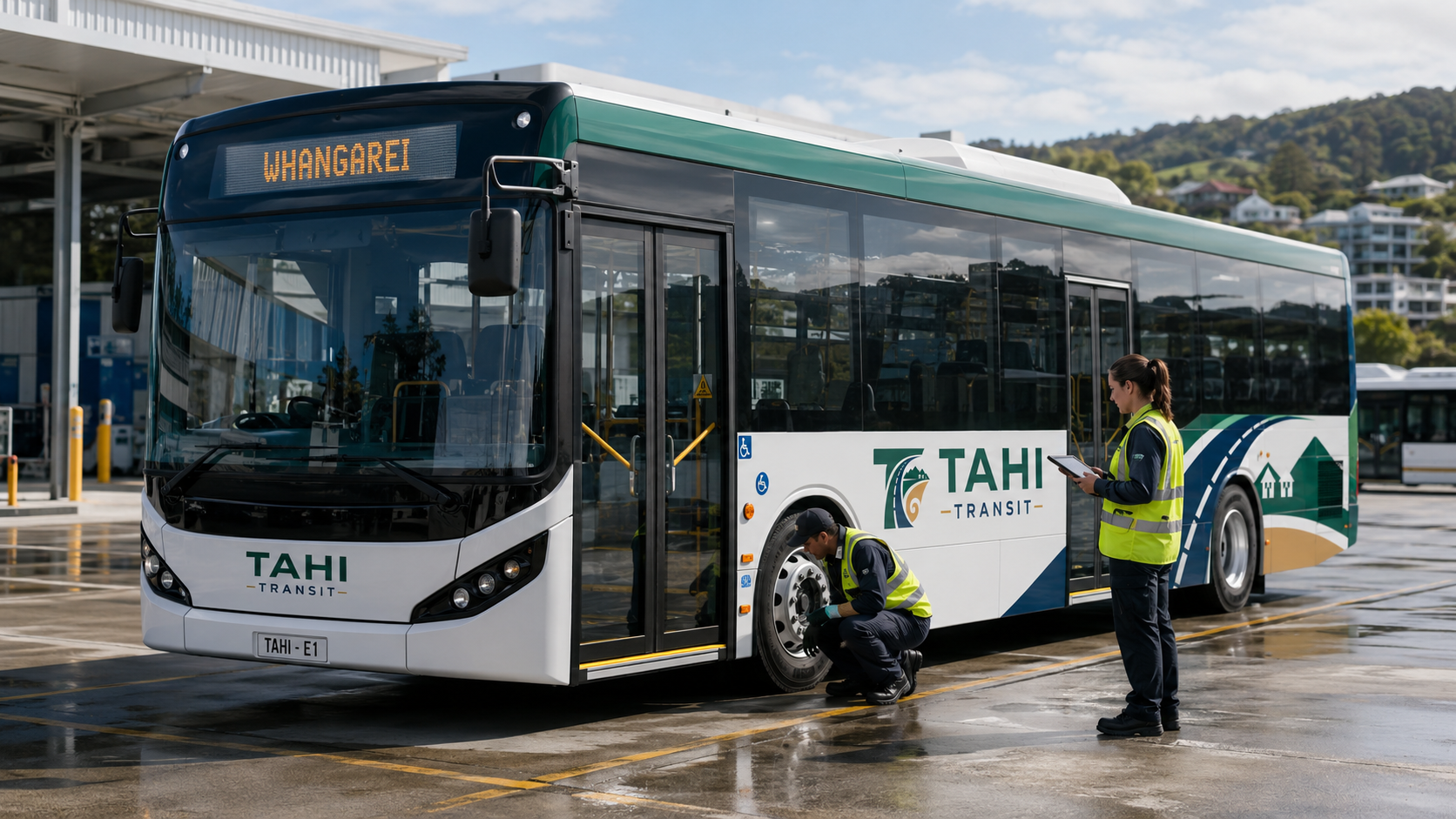
Every vehicle must be safe, clean and ready before it enters service.
Tahi Transit’s vehicle readiness approach is based on prevention, not reaction. We focus on daily checks, defect reporting, planned maintenance and timely rectification so that issues are identified before they affect safety or reliability.
Our fleet safety approach includes:
Daily vehicle checks
Defect reporting and escalation
Scheduled maintenance planning
Brake, tyre, steering and lighting checks
Door and ramp operation checks
Seat, handrail and interior safety checks
Windscreen, mirrors and camera checks
Accessibility equipment checks
Cleaning and presentation standards
Roadworthiness and compliance monitoring
Spare vehicle planning
A bus is a public-facing safety asset. It must be treated that way.
Electric Bus Safety
Electric buses bring major environmental and passenger benefits, but they also require specific safety systems.
Tahi Transit’s electric fleet approach includes driver training, charging procedures, high-voltage awareness, vehicle monitoring, depot safety, fault escalation and emergency response planning.
Electric bus safety considerations include:
Safe charging procedures
Charger isolation and fault response
Battery and vehicle monitoring
High-voltage system awareness
Driver and depot staff training
Fire and emergency response planning
Safe depot movement around charging equipment
Charging cable and equipment checks
Vehicle diagnostic monitoring
Maintenance provider competence
Clear escalation for warning lights or faults
Electric public transport must be clean, quiet and reliable. It must also be operated with the right technical discipline.
Depot and Charging Safety
For an electric fleet, the depot is more than a parking area. It is the operational and energy centre of the service.
That creates new safety responsibilities.
Tahi Transit’s depot safety approach considers vehicle movement, pedestrian areas, charging equipment, electrical infrastructure, lighting, signage, maintenance access, emergency procedures and staff training.
Our depot and charging safety model includes:
Safe vehicle movement planning
Clear pedestrian and staff zones
Charger placement and protection
Cable management
Charging fault escalation
Electrical safety awareness
Emergency access
Fire response planning
Vehicle parking discipline
Depot lighting and visibility
Staff induction and site rules
Regular review of depot hazards
A safe depot supports a safe network.
Passenger Safety and Care
Every passenger deserves to feel safe using public transport.
That includes commuters, students, older passengers, disabled passengers, parents with children, visitors and people who depend on public transport every day.
Tahi Transit’s passenger safety approach includes:
Professional driver behaviour
Smooth and careful driving
Safe boarding and alighting
Accessible low-floor operation
Respectful communication
Careful use of ramps and accessibility equipment
Clear response to passenger incidents
Support for vulnerable passengers
Clean and well-presented vehicles
Calm handling of conflict or disruption
Escalation of safety concerns
Public transport safety is not only technical. It is human.
A service can meet mechanical standards and still fail passengers if they feel unsafe, ignored or disrespected. Tahi Transit’s standard is to treat passenger care as part of safety.
School Service Safety
School services carry a special duty of care.
Students, parents, schools and councils need confidence that services will be operated calmly, consistently and safely. The morning and afternoon peak can be busy, time-sensitive and emotionally important for families.
Tahi Transit’s school service safety approach includes:
Appropriate driver selection
Clear expectations for student services
Safe loading and unloading
Route familiarisation
Reliable morning and afternoon delivery
Incident reporting and escalation
Communication with council and schools
Calm driver behaviour
Passenger dignity and respect
Consistent service standards
For families, school transport is trust. Tahi Transit treats it as such.
Accessibility and Safe Boarding
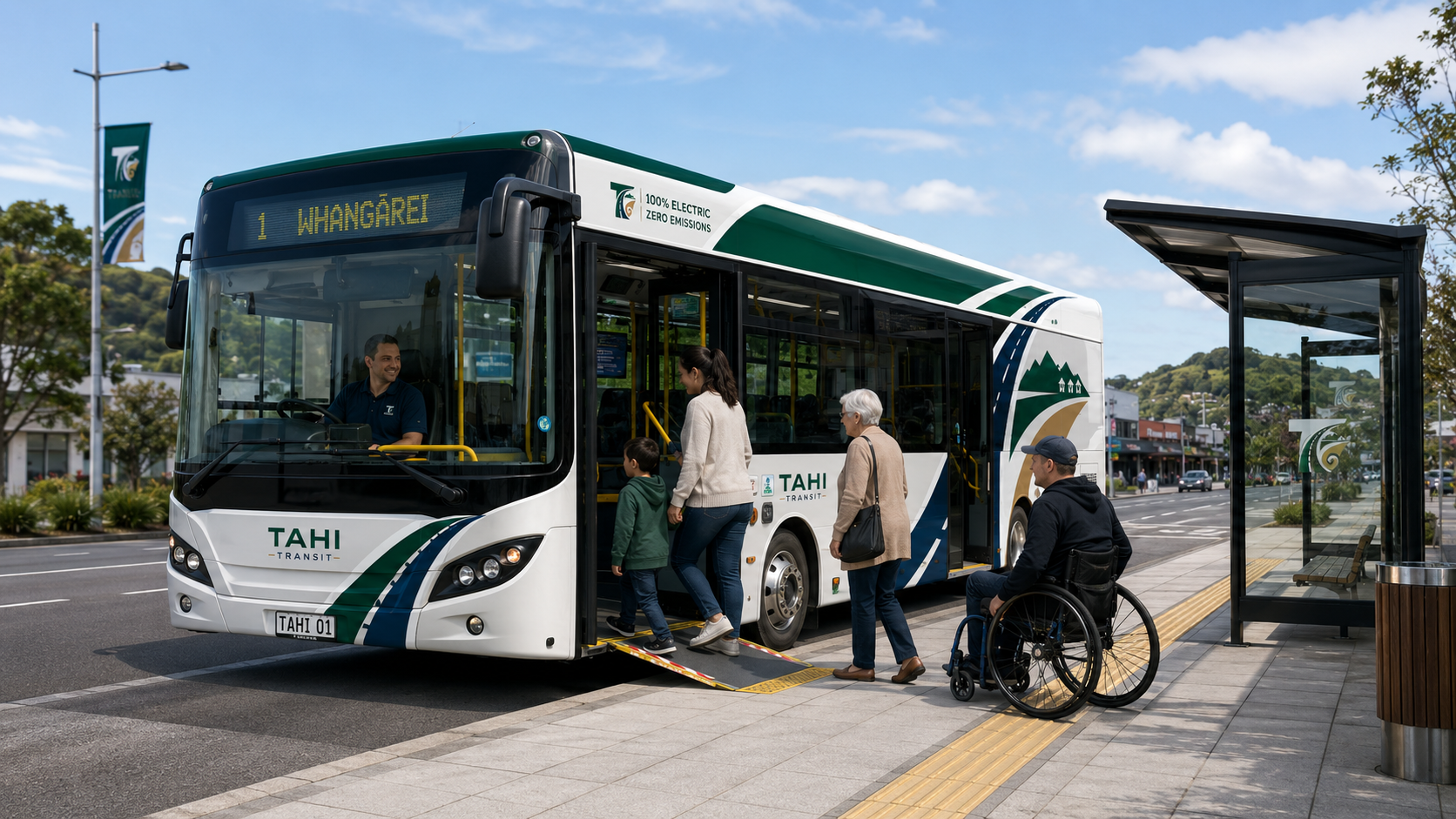
Accessibility is a safety and dignity issue.
A public transport service must work for people with different mobility needs, ages, abilities and levels of confidence.
Tahi Transit’s accessibility safety approach includes:
Low-floor vehicle operation
Safe kerbside positioning
Ramp checks and operation
Driver awareness of mobility needs
Careful boarding and alighting
Support for older passengers
Support for disabled passengers
Clear communication
Pram and mobility aid awareness
Clean, unobstructed vehicle interiors
Accessible public transport should not feel difficult or uncertain. It should feel normal, safe and respectful.
Incident Reporting and Response
Incidents must be managed quickly, clearly and honestly.
Tahi Transit’s incident response model is built around immediate safety, clear escalation, accurate reporting and practical corrective action.
Our approach includes:
Protecting passenger and staff safety first
Notifying the right people quickly
Recording incidents accurately
Preserving relevant information
Supporting drivers and passengers
Communicating with council partners where required
Reviewing causes and contributing factors
Taking corrective action
Monitoring follow-up improvements
Good incident management is not about blame. It is about learning, improving and preventing repeat issues.
Risk Management and Continuous Improvement
Public transport risks change over time.
Routes change. Traffic patterns change. Passenger numbers change. Roadworks happen. Weather events occur. Vehicles age. New drivers join. Electric fleet data reveals new patterns.
Tahi Transit’s safety model is designed to review and improve.
Continuous improvement may include:
Driver coaching
Route risk reviews
Vehicle defect trend analysis
Maintenance process improvements
Depot safety improvements
Passenger feedback review
School service adjustments
Accessibility improvements
Incident trend reporting
Updated procedures and training
A safe operator does not stand still. It learns from daily operations.
Compliance and Public-Sector Accountability
Council and government contracts require disciplined compliance.
Tahi Transit is built to operate with the documentation, reporting and accountability expected in public transport contract delivery.
Our compliance approach supports:
Driver licence and endorsement monitoring
Vehicle compliance and inspection records
Maintenance records
Health and safety reporting
Incident and hazard reporting
Training records
Fatigue and roster management
Customer feedback tracking
Contract KPI reporting
Electric fleet and charging records
Continuous improvement reporting
Compliance should not sit in a folder waiting for audit day. It should be part of the way the operation is run.
Transparent Reporting for Council Partners
Councils need visibility.
They need to understand how the service is performing, where risks are emerging, what incidents have occurred and what actions are being taken.
Tahi Transit’s reporting model can support:
Service reliability
On-time performance
Missed or disrupted trips
Driver availability
Vehicle availability
Safety incidents
Hazards and near misses
Maintenance performance
Customer complaints and feedback
Accessibility issues
Corrective actions
Continuous improvement plans
We believe transparent reporting builds trust. It allows council teams to see the network clearly and manage public confidence with accurate information.
Emergency and Disruption Planning
Public transport must be ready for disruption.
Weather, road closures, accidents, vehicle issues, charging faults, driver illness and passenger incidents can all affect service delivery.
Tahi Transit’s emergency and disruption planning is based on calm decision-making and clear communication.
Our priorities are:
First, protect people.
Second, restore the service safely.
Third, communicate clearly with the right stakeholders.
Fourth, review what happened and improve the system.
A strong operator is not one that claims nothing will ever go wrong. A strong operator is one that prepares properly and responds well.
Respectful, Safe and Accountable Public Transport
Tahi Transit exists to deliver public transport that people can trust.
That trust is built through disciplined safety systems, trained drivers, maintained vehicles, accessible services, honest reporting and a culture that treats every passenger journey as important.
For passengers, safety should feel simple: the bus arrives, the driver is professional, the vehicle is clean, the journey feels calm and the service gets them where they need to go.
For councils, safety should be visible: documented systems, clear reporting, responsive issue management and continuous improvement.
For communities, safety should be reliable: every day, every route, every service.
Frequently Asked Questions
How does Tahi Transit manage safety?
Tahi Transit manages safety through trained drivers, vehicle checks, maintenance planning, fatigue management, incident reporting, depot procedures, passenger care, compliance monitoring and continuous improvement.
Does Tahi Transit train drivers for electric buses?
Yes. Tahi Transit’s electric bus approach includes driver training for safe vehicle operation, charging awareness, range awareness, regenerative braking, smooth driving, fault reporting and passenger comfort.
How does Tahi Transit manage school service safety?
Tahi Transit manages school service safety through suitable drivers, route familiarisation, safe loading and unloading, calm driver behaviour, clear communication and incident escalation processes.
How does Tahi Transit support accessibility?
Tahi Transit supports accessibility through low-floor vehicle operation, safe boarding, ramp checks, driver awareness, support for older and disabled passengers and respectful passenger care.
How does Tahi Transit report incidents?
Tahi Transit’s incident response model focuses on immediate safety, accurate reporting, council notification where required, driver and passenger support, corrective action and continuous improvement.
Why is compliance important in public transport contracts?
Compliance protects passengers, staff, councils and communities. It ensures that vehicles, drivers, safety systems, maintenance records, reporting and contract obligations are managed properly and transparently.